Willow Tree Removal in Doylestown, PA
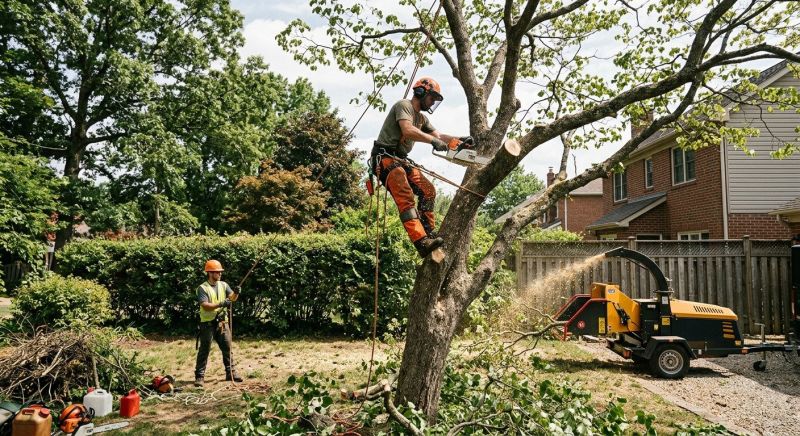
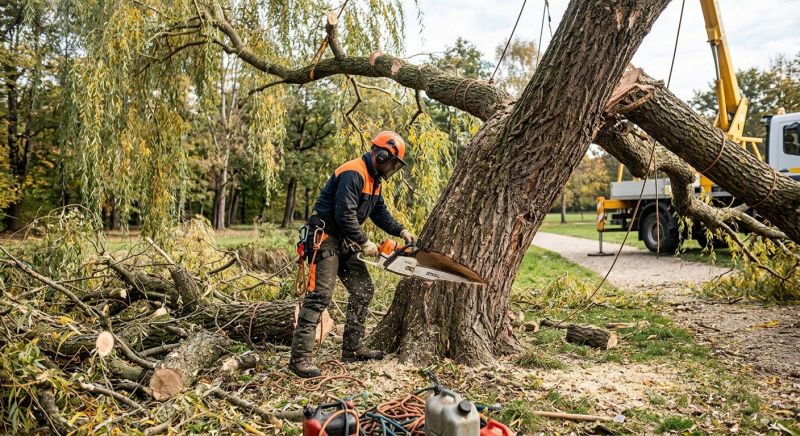
Willow tree removal services involve the careful and efficient removal of mature willow trees that may pose safety concerns, interfere with property development, or simply require replacement. These projects typically include the complete removal of the tree, including the trunk, roots, and debris, to ensure the site is clear and safe for future use. Property owners often request this service when a willow tree has become diseased, damaged, or is growing in a location that impacts utility lines, structures, or other landscape features.
Before requesting willow tree removal, property owners should consider factors such as the size and location of the tree, potential impacts on surrounding landscaping, and any local regulations or permits that may be required. Understanding the scope of the project helps ensure proper planning and safety measures. It is also useful to assess whether stump removal or grinding is needed afterward for a fully cleared site, especially if the goal is to prepare the area for new landscaping or construction.
Many property owners in Doylestown, PA look into Willow Tree Removal for repairs, replacements, upgrades, and appearance-related improvements.
Reasons To Remove A Willow Tree
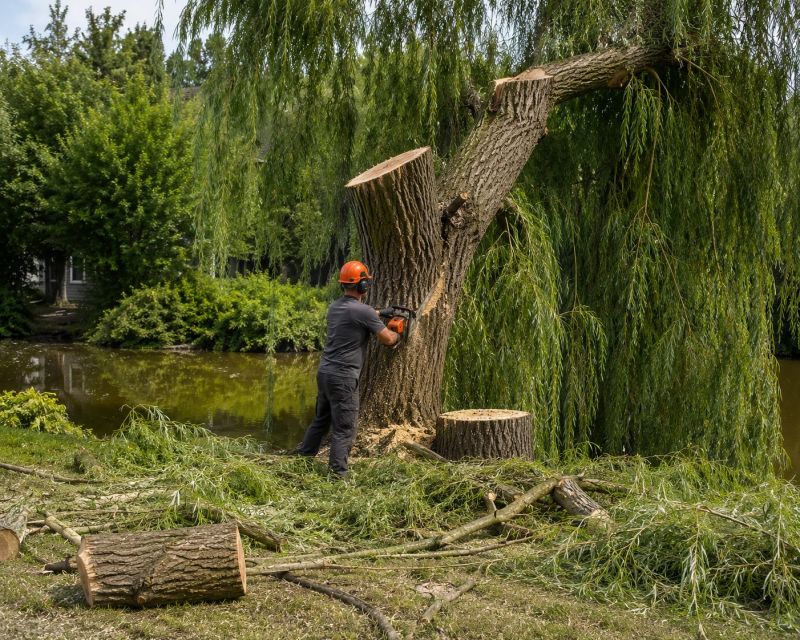
Removing a willow tree can improve safety and prevent property damage.
Signs A Willow Tree Needs Removal
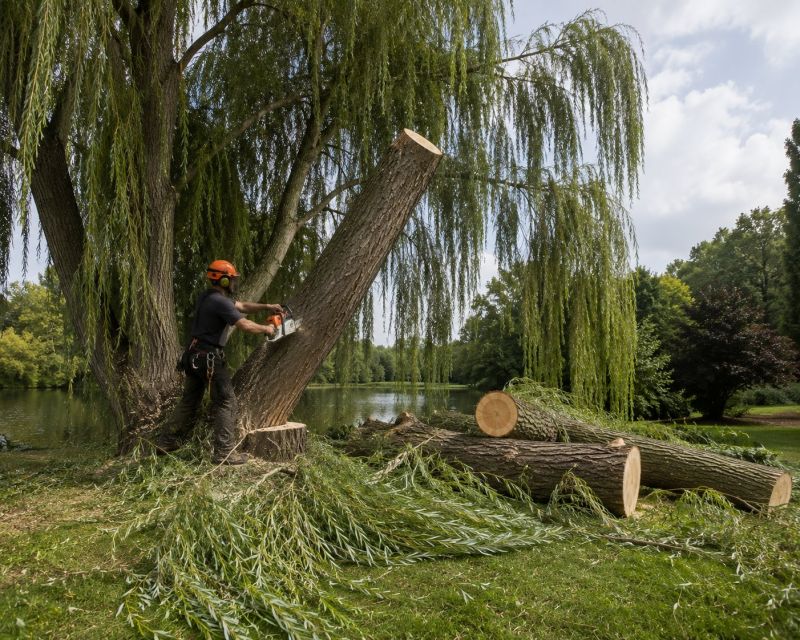
Hollow branches, extensive decay, or leaning can indicate the need for removal.
Preparing For Willow Tree Removal
Clearing the surrounding area helps ensure safe and efficient removal processes.
Willow Tree Removal in Doylestown, PA

Willow tree removal services involve the careful and efficient removal of mature willow trees that may pose safety concerns, interfere with property development, or simply require replacement. These projects typically include the complete removal of the tree, including the trunk, roots, and debris, to ensure the site is clear and safe for future use. Property owners often request this service when a willow tree has become diseased, damaged, or is growing in a location that impacts utility lines, structures, or other landscape features.
Before requesting willow tree removal, property owners should consider factors such as the size and location of the tree, potential impacts on surrounding landscaping, and any local regulations or permits that may be required. Understanding the scope of the project helps ensure proper planning and safety measures. It is also useful to assess whether stump removal or grinding is needed afterward for a fully cleared site, especially if the goal is to prepare the area for new landscaping or construction.
Many property owners in Doylestown, PA look into Willow Tree Removal for repairs, replacements, upgrades, and appearance-related improvements.
Common Willow Tree Removal Jobs
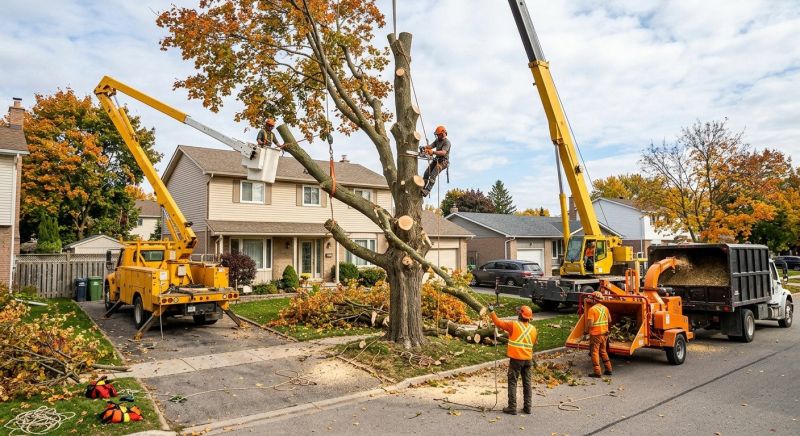
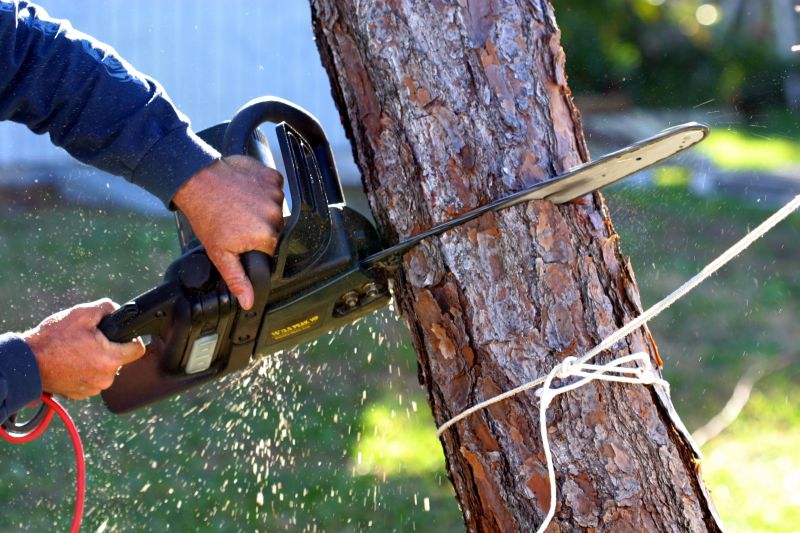
Tree Removal - safely removes dead or hazardous trees to protect property and safety.
Stump Grinding - eliminates tree stumps to improve yard appearance and prevent pest issues.
Hazard Tree Assessment - evaluates trees for structural stability and potential risks.
Emergency Tree Services - responds to storm damage or urgent tree hazards promptly.
Selective Tree Trimming - maintains tree health and shape through targeted pruning.
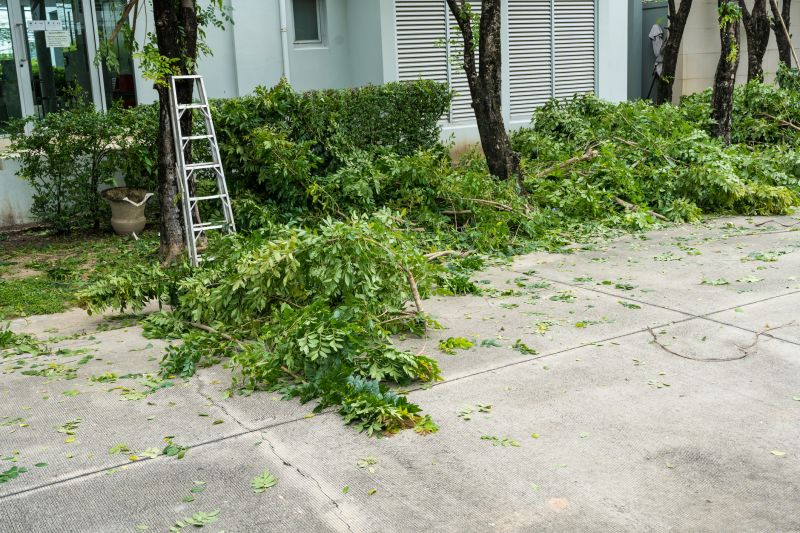
Property Clearing - clears large areas of trees and brush for construction or landscaping projects.
Willow Tree Removal Questions
What are common reasons to remove a willow tree? Removal may be needed due to disease, damage, safety concerns, or overgrowth affecting nearby structures.
Is professional removal necessary for a willow tree? Yes, professional services ensure safe and proper removal, especially for large or mature trees.
What should property owners consider before removing a willow tree? Consider the tree's size, location, and impact on the landscape, as well as any local regulations.
What are the benefits of removing a willow tree? Removing a problematic willow can improve safety, prevent property damage, and allow for landscape redesign.
Request Willow Tree Removal in Doylestown, PA
Use the quote form on this page to share the basics of your project and request more information for the type of work you need.