Tree Crown Shaping in Allentown, PA
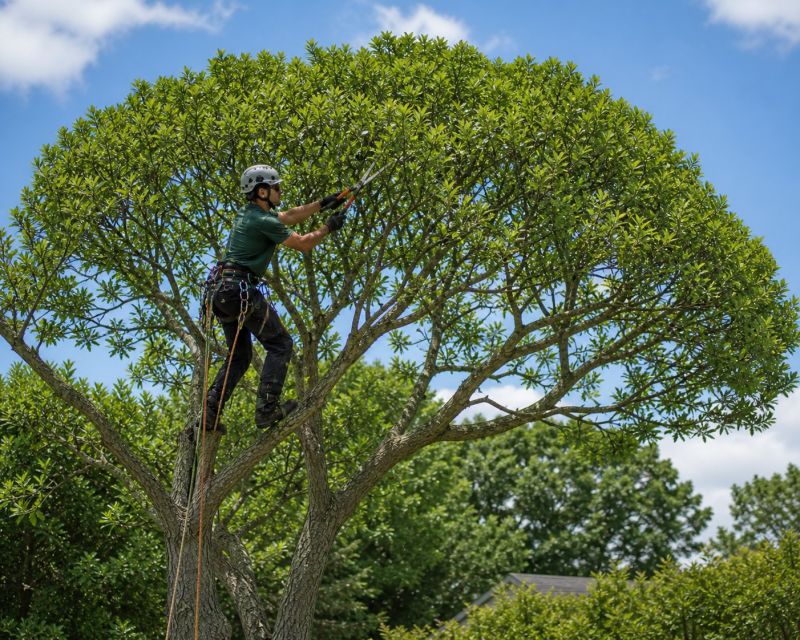
Tree crown shaping services involve carefully trimming and sculpting the upper parts of trees to improve their appearance, health, and safety. This process typically includes removing dead, damaged, or overgrown branches, as well as thinning or balancing the canopy to promote better airflow and sunlight penetration. Projects may range from aesthetic enhancements to addressing safety concerns, such as preventing branches from interfering with power lines or structures. Homeowners considering this service should understand the importance of proper pruning techniques to maintain the tree’s natural form and vitality, and should evaluate the specific needs of their trees to achieve desired results.
Before requesting tree crown shaping, property owners often want to know which types of trees can be safely shaped and how the process might affect the tree’s overall health. It’s also helpful to consider the timing of the work, as certain seasons are better suited for pruning to minimize stress on the tree. Clarifying the scope of the project-whether it involves light shaping or more extensive crown thinning-can ensure expectations are aligned. Proper planning and understanding of the tree’s species and condition can help achieve a balanced, attractive canopy while supporting the long-term health of the landscape.
Many property owners in Allentown, PA look into Tree Crown Shaping for repairs, replacements, upgrades, and appearance-related improvements.
Enhancing Tree Structure
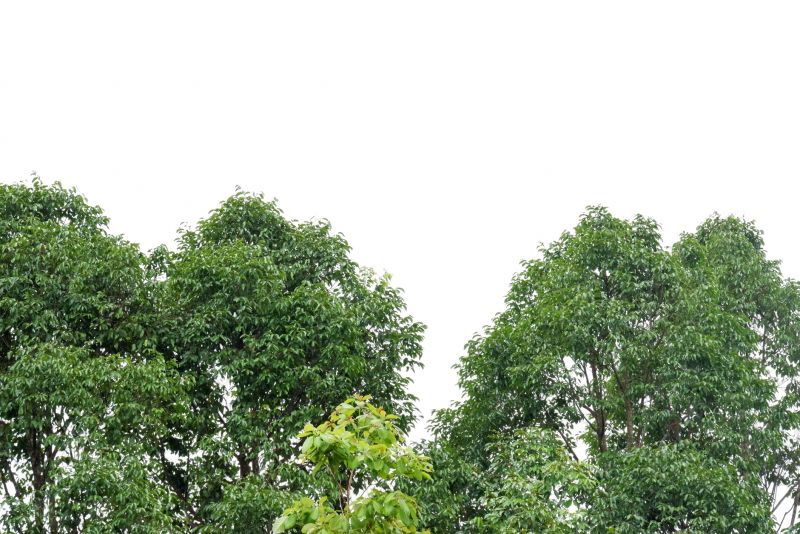
Crown shaping improves the overall form and health of mature trees in allentown neighborhoods.
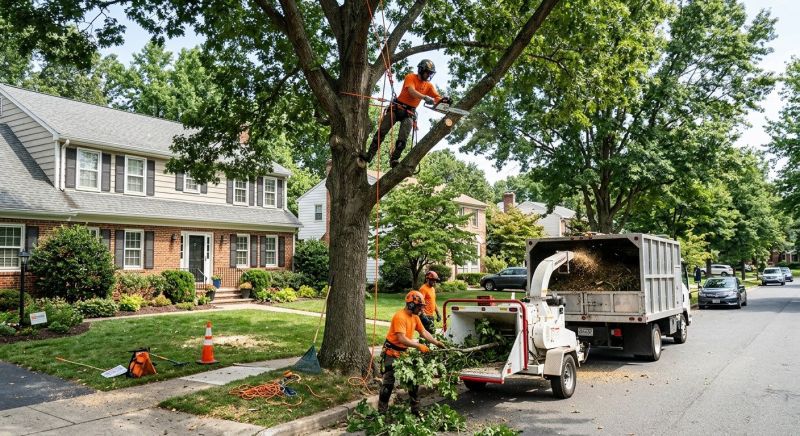
Safety And Clearance
Proper crown shaping reduces hazards by removing weak branches and creating clearance from buildings and power lines.
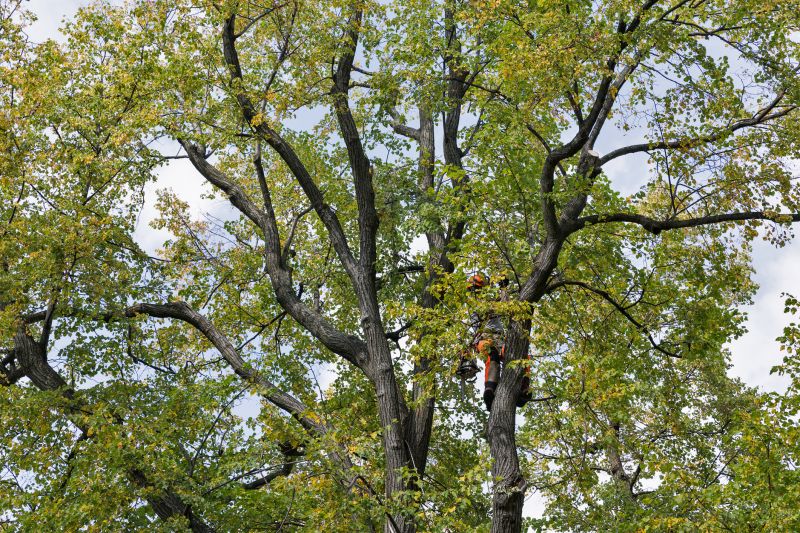
Aesthetic Improvement
Refined crown shaping enhances the visual appeal of trees, contributing to a well-maintained landscape in allentown properties.
Tree Crown Shaping in Allentown, PA
Tree crown shaping services involve carefully trimming and sculpting the upper parts of trees to improve their appearance, health, and safety. This process typically includes removing dead, damaged, or overgrown branches, as well as thinning or balancing the canopy to promote better airflow and sunlight penetration. Projects may range from aesthetic enhancements to addressing safety concerns, such as preventing branches from interfering with power lines or structures. Homeowners considering this service should understand the importance of proper pruning techniques to maintain the tree’s natural form and vitality, and should evaluate the specific needs of their trees to achieve desired results.
Before requesting tree crown shaping, property owners often want to know which types of trees can be safely shaped and how the process might affect the tree’s overall health. It’s also helpful to consider the timing of the work, as certain seasons are better suited for pruning to minimize stress on the tree. Clarifying the scope of the project-whether it involves light shaping or more extensive crown thinning-can ensure expectations are aligned. Proper planning and understanding of the tree’s species and condition can help achieve a balanced, attractive canopy while supporting the long-term health of the landscape.
Many property owners in Allentown, PA look into Tree Crown Shaping for repairs, replacements, upgrades, and appearance-related improvements.
Common Tree Crown Shaping Jobs
Tree Crown Shaping - involves selectively trimming branches to improve tree structure and appearance.
Tree Crown Thinning - reduces density to allow more light and airflow through the canopy.
Tree Crown Reduction - decreases overall height or spread to manage size and prevent hazards.
Tree Crown Elevation - raises the height of the lowest branches for clearance over structures or paths.
Tree Crown Reshaping - restores natural form after storm damage or improper pruning.
Tree Crown Maintenance - ongoing shaping to promote healthy growth and aesthetic appeal.
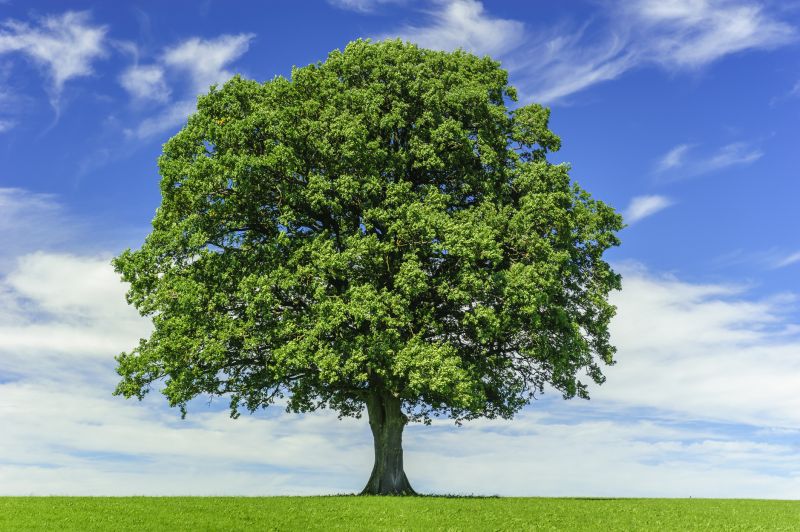

Tree Crown Shaping Questions
What is tree crown shaping? Tree crown shaping involves trimming and pruning to improve the appearance and health of a tree's canopy.
Why should property owners consider crown shaping? It enhances visual appeal, removes dead or overgrown branches, and promotes better growth.
What types of trees benefit from crown shaping? Most deciduous and some evergreen trees can be shaped to suit landscape needs.
When is the best time for crown shaping? The ideal time is during the tree's dormant season, typically late winter or early spring.
Request Tree Crown Shaping in Allentown, PA
Use the quote form on this page to share the basics of your project and request more information for the type of work you need.